Call anytime
-
-
Send email
orders@fullertonpaint.com
-
150 E Orangethorpe Ave.
Anaheim, CA 92801
Call anytime
Send email
150 E Orangethorpe Ave.
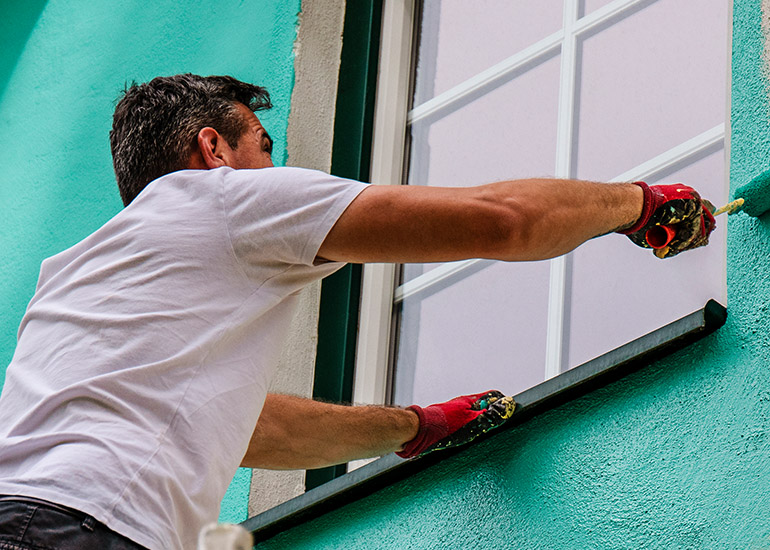
Exterior paint is often seen as a cosmetic upgrade, but its real purpose goes far beyond appearance. The exterior surfaces of a home or commercial building are constantly exposed to sunlight, rain, dust, pollution, and temperature changes. Over time, these elements slowly break down unprotected surfaces, leading to cracks, fading, and moisture damage. Choosing the right exterior paint and protective coating is not only about improving curb appeal but also about preserving the structure itself.
Property owners who understand how exterior coatings work tend to spend less on maintenance over the long term because properly protected surfaces last significantly longer.
Exterior coatings act as a protective barrier between the building material and the environment. Without this barrier, moisture can seep into walls, especially in masonry and concrete surfaces. When moisture enters small cracks and expands due to heat or temperature changes, it weakens the surface from within.
Modern exterior paints are engineered to prevent this process. High-quality coatings allow surfaces to breathe while still resisting water penetration. This balance is important because trapped moisture can cause bubbling or peeling paint, while breathable coatings allow internal moisture to escape safely.
UV protection is another important factor. Continuous exposure to sunlight causes colors to fade and surfaces to dry out. Advanced exterior paints include UV-resistant properties that slow down fading and maintain color consistency for longer periods.
Many homeowners assume peeling or cracking paint simply means the paint has aged. In reality, most exterior paint problems are caused by poor preparation or incorrect product selection.
One common issue is painting over dirty or chalky surfaces. Dust, old paint residue, and moisture prevent proper adhesion, causing paint layers to separate over time. Another common problem is applying interior-grade paint outdoors, which lacks the durability needed for weather exposure.
Temperature during application also plays a role. Paint applied during extremely hot or cold conditions may dry unevenly, reducing lifespan. Professional application methods ensure the coating bonds correctly with the surface.
Not all exterior surfaces require the same type of coating. Selecting the correct product based on material type improves performance and longevity.
Concrete and stucco surfaces benefit from elastomeric or breathable coatings that bridge small cracks and resist water intrusion. These coatings help maintain structural integrity while improving appearance.
Wood naturally expands and contracts with temperature and humidity changes. Flexible coatings designed for wood prevent splitting and reduce the chances of peeling paint.
Metal requires protective coatings that resist corrosion and rust. Proper priming is especially important before applying topcoats to metal surfaces.
The exterior of a property creates the first impression for visitors, customers, or potential buyers. Faded or damaged paint can make even a structurally sound building appear neglected. On the other hand, fresh exterior paint instantly improves visual appeal and signals proper maintenance.
For residential properties, updated exterior colors can modernize an older home without expensive renovations. For commercial buildings, clean and consistent exterior finishes contribute to brand perception and customer confidence.
Neutral exterior palettes remain popular because they age well and appeal to a wider audience. However, accent colors on trims, doors, or architectural details can add character without overwhelming the design.
Exterior paint does not fail overnight. Early signs usually appear gradually. Fading color, small cracks, chalky residue on surfaces, or exposed areas are indicators that repainting may be required. Addressing these signs early prevents more serious damage and reduces repair costs.
Regular inspection of exterior surfaces helps property owners plan maintenance before problems become visible from a distance.
Although premium exterior paints may cost more initially, they provide better coverage and longer durability. Fewer repainting cycles mean lower labor costs and less disruption over time. Quality coatings also reduce the likelihood of structural repairs caused by moisture damage.